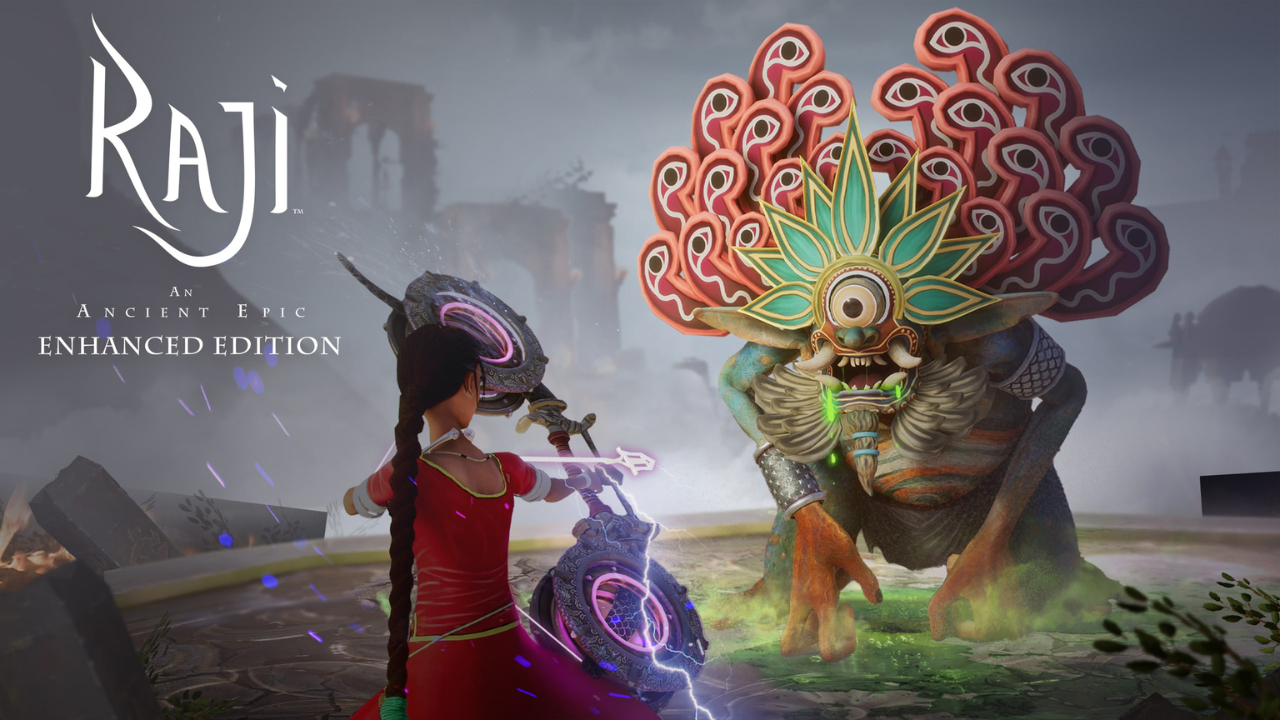
Raji: An Ancient Epic is one of India’s most celebrated indie games—a beautifully crafted action-adventure title inspired by Indian mythology, ancient architecture, vibrant culture, and traditional art styles. Developed by Nodding Heads Games, Raji stands out for its emotional storytelling, stunning visuals, and a mythological world unlike anything seen in modern gaming.
Be it the handcrafted Pahari-inspired textures or the captivating narration of Hindu deities, Raji has continued to draw global attention and immense admiration years on from its release.
What Makes Raji Stand Out?
Raji provides an experience that is as emotional as it is artistic and full of action. It merges Indian mythology with modern game design, creating an ancient world that seems alive.
Key Elements That Make Raji Special
- Beautifully painted environments inspired by Indian temple art
- Epic story based on Hindu mythology
- Smooth parkour and platforming mechanics
- Mythic weapons and divine blessings
- Emotional journey of family and self-discovery
- Original soundtrack using classical Indian instruments
- Rich cultural representation rarely seen in mainstream games
From Rajasthan palace courtyards to demon-infested battlefields, every area is a place with a soul unto itself.
Overview of Story: A Sister’s Courage
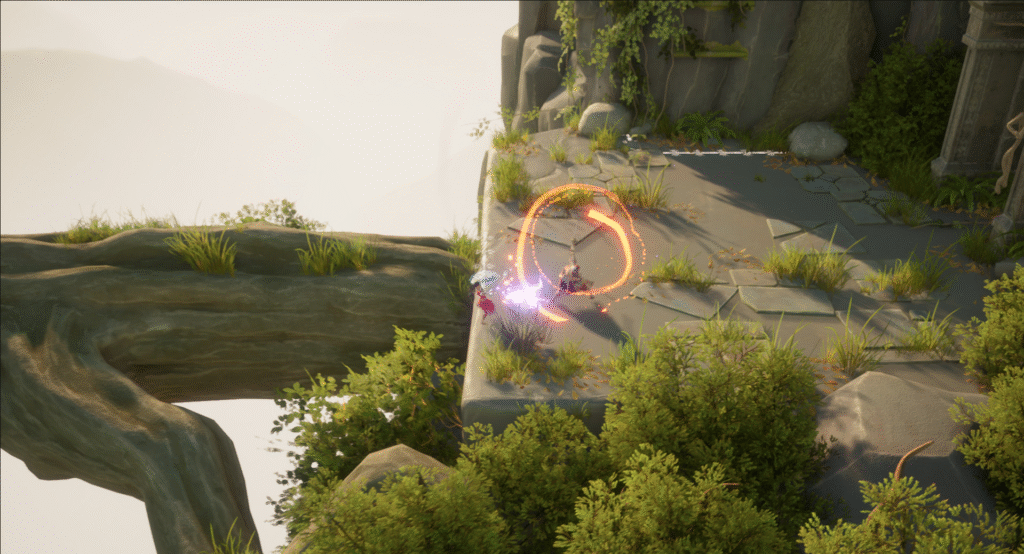
Raji: An Ancient Epic follows the journey of a young circus performer chosen by the gods to save her brother Golu, who has been kidnapped by demons. The game brings narration through the voices of Durga and Vishnu as it guides players through a deeply personal journey filled with emotion and lore.
Themes Explored
- Love among siblings
- The hidden divine purpose within ordinary individuals
- The balance between humans, gods, and demons
Raji’s transformation marks the rise of a hero—from an ordinary girl into a divine warrior.
Gameplay – Combat and Movement
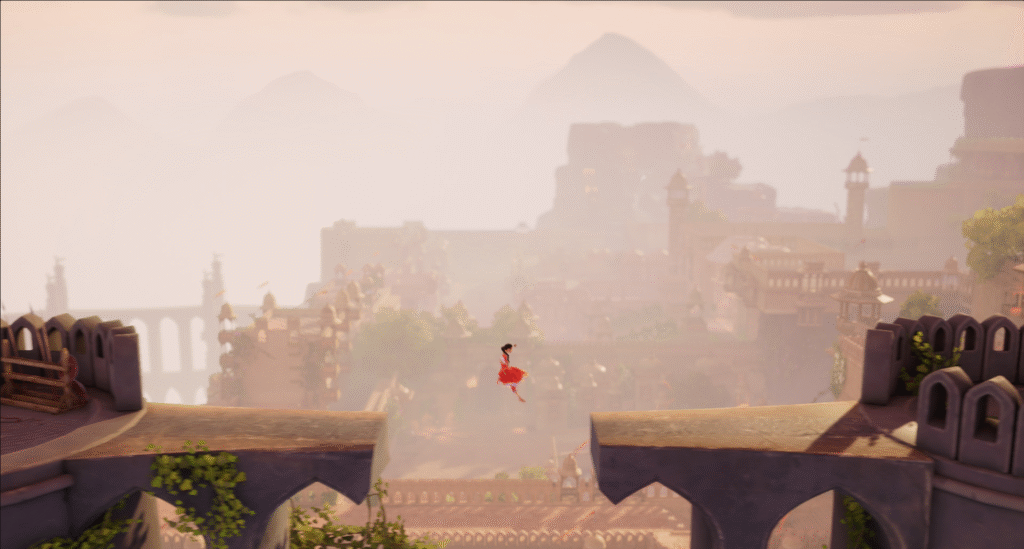
Raji combines fast-paced action, parkour, and puzzle-solving. Its gameplay is simple yet stylish, making combat and exploration equally enjoyable.
Core Gameplay Features
- Melee combat with trident, bow, and sword
- Godly powers provided by Durga and other gods
- Environmental puzzles inspired by ancient Indian mandalas
- Wall-running, flips, and aerial attacks
- Boss battles against powerful demons
- Exploration of temples, caves, and ancient cities
Combat feels artistic rather than brutal, perfectly matching the game’s cultural tone.
Visuals and World Design
Raji’s world is its greatest strength. The game employs:
- Pahari art style
- Rajasthani architecture
- Mughal-inspired palace designs
- Traditional Indian motifs and Rangoli patterns
Every frame in the game feels like a living painting. The lighting, animations, and environments appear lovingly handcrafted with attention to authenticity.
Music and Sound Design
The soundtrack features:
- Tabla
- Sitar
- Flutes
- Folk percussion
- Classical melodies
These elements create a deeply immersive atmosphere that perfectly complements the emotional and mythological tone of the game.
Latest Developments and What’s Next?
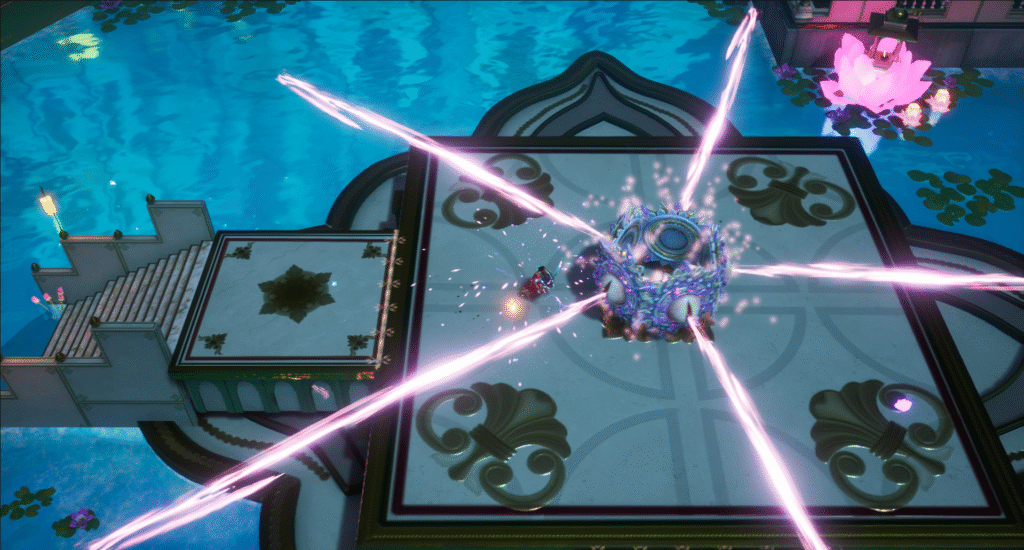
Raji continues receiving updates, improvements, and enhancements across various platforms. The developers have also hinted at expanding the universe with:
- New chapters
- Additional story arcs
- A deeper exploration of Indian lore
- Improved gameplay mechanics
With global interest in mythology-driven games increasing, the future for Raji looks promising.
Pros & Cons
Pros
- Beautiful visuals and art direction
- Emotional and touching story
- Authentic representation of Indian culture
- Smooth platforming mechanics
- Catchy soundtrack
Cons
- Short campaign
- Combat depth is limited
- Some areas may need more deliberation
Final Verdict
Raji: An Ancient Epic is more than a game; it is a celebration of Indian mythology, culture, and art through an unforgettable adventure. With its touching story, beautiful aesthetics, and spiritual themes, Raji stands as a milestone in the gaming history of India. Whether you love action games, mythology, or artistic storytelling, Raji provides a soulful experience that stays with you long after the credits roll.