The biggest update to Google Maps for Indian users has turned what was earlier a simple navigation tool into a smart, conversational co-pilot. Driven by the new Gemini AI, the new experience introduces voice-first driving mode, proactive traffic alerts, real-time safety notifications, and India-specific travel tools like metro ticket booking and flyover voice navigation.
This update represents Google’s commitment to making Maps more localized, intelligent, and driver-friendly—adapting to the complex and fast-paced traffic realities of Indian cities. Here’s a detailed look at everything new coming to Google Maps in India.
Conversational Driving Powered by Gemini AI
The highlight of this update is conversational, hands-free driving. Instead of tapping on the screen or typing commands, drivers can now talk to Google Maps. Powered by Gemini AI, this feature knows context and intent.
For example, users can say:
- “Find a petrol pump along my route,
- “What’s parking like at Phoenix Mall?”
- “Take me to the nearest cheap vegan place.”
The AI even allows for follow-up conversations, meaning that you can continue speaking naturally, without having to repeat full commands. Once you arrive at your destination, you can even say, “Add meeting at 5 PM at this location,” and Maps will sync with Google Calendar automatically.
This upgrade is more than convenient; it’s safer and more conducive to focusing on driving, since it’s truly hands-free.
Another improvement is in how Maps gives directions. Instead of just saying “Turn right in 200 meters,” it might say, “Turn right after the Thai Siam restaurant.” These landmark-based directions make driving in India’s crowded, often confusing road systems much easier.
Improved Safety Features: Driving Smarter and Safer
It has also introduced new safety features specific to Indian road conditions.
- Accident-Prone Area Alerts: When you’re driving on stretches of road designated by local authorities as high-risk, Maps will alert you with visual and audio notifications. This will first roll out to Gurugram, Cyberabad (Hyderabad), Chandigarh, and Faridabad.
- Official Speed Limit Display: Drivers will now see speed limit indications from verified traffic authorities displayed alongside the in-app speedometer. The rollout includes cities such as Mumbai, Gurugram, Noida, Kolkata, Jaipur, and Lucknow.
- In partnership with the National Highways Authority of India, Google Maps will provide real-time highway information such as closures, repairs, and amenities like petrol pumps, restaurants, and restrooms.
These features make driving safer, especially for people on roads that are not familiar or on highways.

Proactive Traffic and Route Disruption Alerts
Also, Google Maps is now more proactive rather than reactive. This means Google’s new Proactive Traffic Alerts will inform users of delays, road closures, or heavy congestion even when they’re not in navigation mode.
Suppose you commute daily from Andheri to Bandra in Mumbai; Maps can alert you in advance if there’s unusual traffic congestion or even a roadblock.
It will initially be available in Delhi, Mumbai, and Bengaluru and roll out to other cities subsequently. The alerts use a combination of real-time traffic data and AI-based predictions for further accuracy improvements.
Localized, India-First Additions
The 2025 refresh includes several “India-first” features designed around how people actually move through cities here.
- With this, users are allowed to book metro tickets directly from Google Maps in Delhi, Bengaluru, Kochi, and Chennai, while Mumbai will join the list very soon. The tickets will also be saved in Google Wallet for quick access.
- Flyover Navigation in Indian Languages: Recognizing that flyovers and multilayered roads can be confusing, Maps has been updated to provide voice guidance in nine Indian languages. This means clearer directions on those complicated routes.
- Customizable Two-Wheeler Avatars: A fun feature, for India only, which allows two-wheeler users to customize their navigation icon (navatar) in colors and style—making the app more fun and relatable.
Put together, these updates make Google Maps a more accurate representation of how Indians travel on a daily basis—on their scooters, cars, or metro.
Smarter AI Integration for Everyday Convenience
With the integration of Gemini AI, Google Maps has fully blurred the lines dividing pure navigation from personal assistance. You will get local insights in response to your natural voice commands. You can ask about nearby stops or, for example, something contextual like, “Find a cafe that’s not too crowded.”
These functionalities also integrate with other Google applications, such as Calendar and Gmail. For example, if your meeting details are recorded in Gmail, Maps can automatically suggest routes and reminders for you, making it even more of a smart travel companion.

Availability and Rollout
The rollout of the update started in November 2025 for both Android and iOS devices. Certain features like proactive alerts and speed limit displays are being released in phases, starting with select metro cities before expanding their coverage across the country.
For full functionality, users may need to update the app and allow additional permissions, such as location and calendar access. As Google has emphasized privacy and user control, a user can modify these permissions at any time.
Why This Update Matters
This is inarguably one of the most fundamental changes to have come to Google Maps‘ functionality in India in some time. It’s no longer just a passive navigation app; it’s emerging as an intelligent co-pilot that understands the local environment.
Here’s why it’s a big deal:
- Improved Safety: Accident alerts and official speed data can make the roads of India a safer place.
- Improved Productivity: Proactive alerts save time by avoiding traffic before it starts.
- Better Accessibility: Voice commands and support for the local language help a broader user base.
- Localized Relevance: From metro bookings to flyover directions, everything feels designed for India.
- AI-Driven Ease: Conversational assistance in simple tasks such as parking checks or meeting planning.
Challenges and Limitations
As with any major rollout, the features will take some time to reach all of the users. Some features rely on data partnerships with local authorities, which may vary regionally. Accuracy of speed limits and risk zones, for instance, depends on how fast the company can integrate the government data.
Moreover, as AI-powered features integrate with other Google services, users may be more circumspect about granting data permission. Google has sought to assuage such concerns by saying that privacy controls remain intact, adding that all voice interactions can be reviewed or deleted.
The Road Ahead With Google Maps
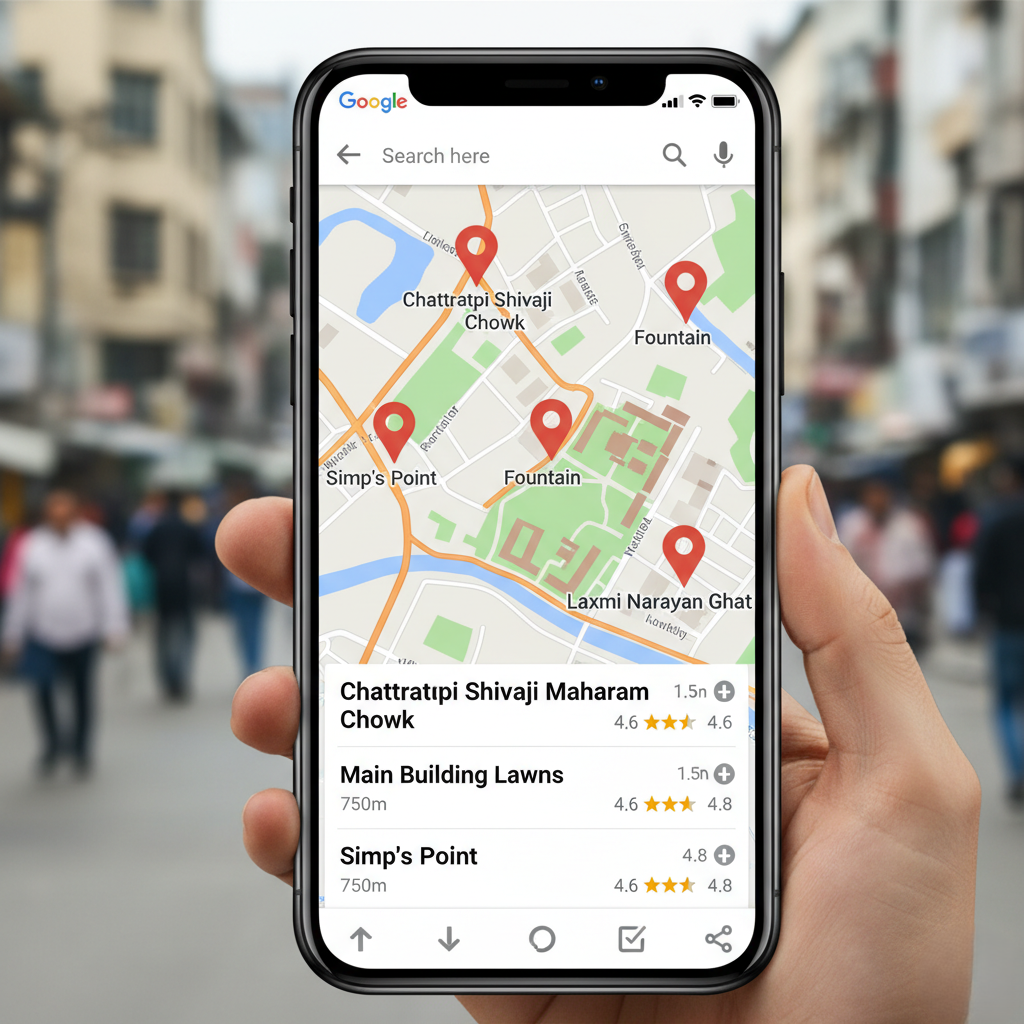
The company is positioning itself as a smarter travel assistant built around India’s dynamic transportation ecosystem. The combination of AI, localization, and a safety focus signals a shift from simple navigation to context-aware driving assistance. For Indians on the move, this means fewer taps, fewer surprises, and a lot more convenience. Whether it is finding a chai stop on the highway, booking a metro ticket, or just getting to work faster, the new Google Maps promises to make every trip smarter, safer, and smoother.