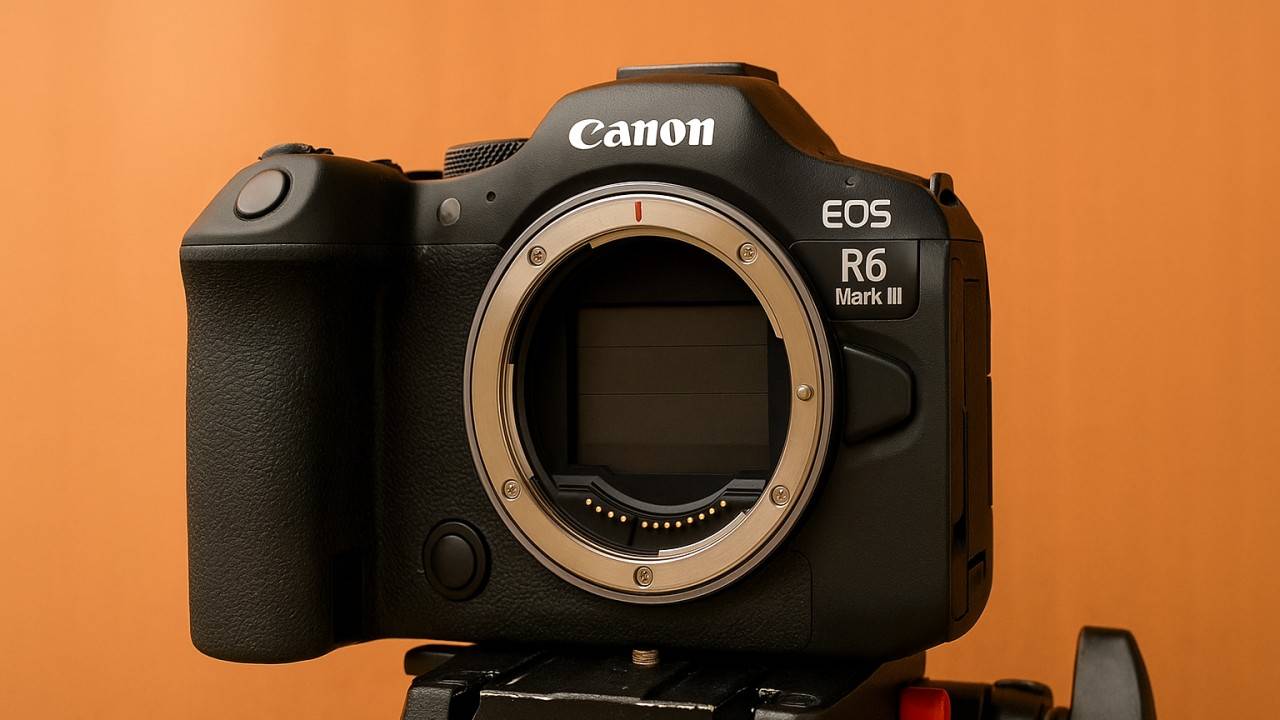
The Canon EOS R6 Mark III is a full-frame mirrorless camera that literally takes the company’s mirrorless lineup to the next level by expanding the creative possibilities for photographers and videographers alike. By increasing resolution, enhancing autofocus, and adding higher-end hybrid features, it aims to fill the space between the R6 Mark II and the flagship model R5. Here’s a close-up look at what makes the Canon R6 Mark III one of 2025’s most interesting releases:
A Leap in Image Quality: The 32.5MP Full-Frame Sensor
The R6 Mark III introduces a new 32.5-megapixel full-frame CMOS sensor, up from the 24MP sensor used in its predecessor. This gain in resolution allows for increased detail, sharper results, and flexibility in cropping and post-processing. Marry this with Canon’s DIGIC X processor, and the camera offers excellent image quality, pleasing dynamic range, and great performance in low light.
The native ISO range of 100–64,000, expandable to 50–204,800, makes for clean images even in very difficult lighting conditions. Be it landscapes, portraits, or night views, the Canon EOS R6 Mark III handles noise beautifully while retaining detail and color accuracy.
Lightning-Fast Autofocus and Tracking
Canon’s Dual Pixel CMOS AF II system returns, and it’s smarter than ever. Offering near 100% coverage across the frame, it locks onto subjects with precision and speed. The deep learning-based subject detection recognizes people, animals, and vehicles-including birds, dogs, cars, and even aircraft-so you’re never going to miss the moment.
Where the R6 Mark III really differs, though, is in its ability to focus down to EV -6.5, enabling sharp focus in near-dark conditions. Whether you’re shooting wildlife at dusk or street scenes at night, this low-light AF performance is a game-changer.
In-Body Image Stabilization for Rock-Solid Shots
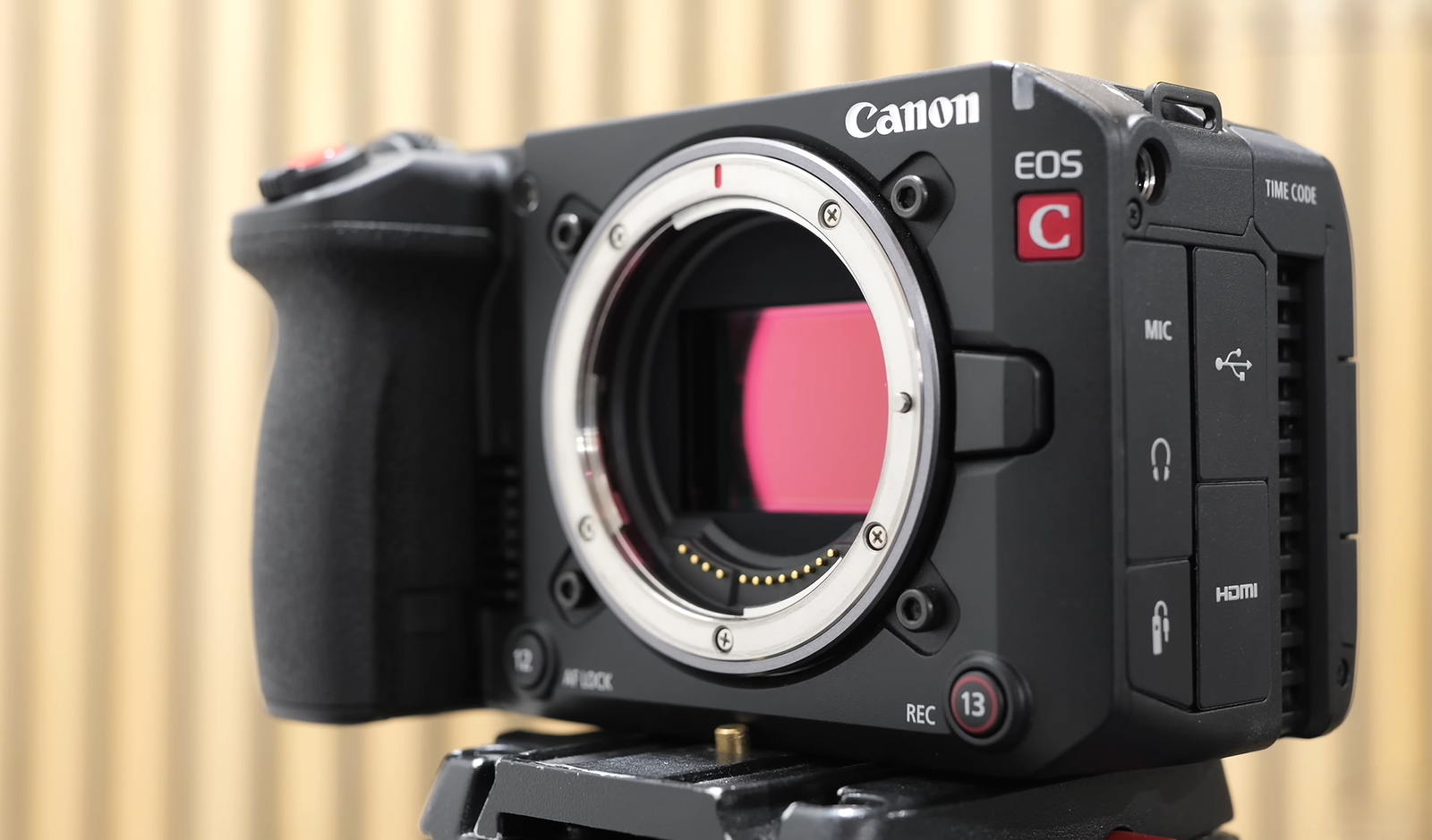
With the R6 Mark III, IBIS (In-Body Image Stabilization) makes handheld shooting easier than ever. Offering up to 8.5 stops of shake correction when used with stabilized RF or EF lenses, this feature assures smooth video and crisp stills-even at slow shutter speeds. That makes it a great companion for run-and-gun filmmaking, handheld interviews, or low-light photography when tripods just aren’t practical.
High-Speed Performance for Action Shooters
For the action or sports photographer, the R6 Mark III will not disappoint. It has a burst shooting capability of up to 40 fps with the electronic shutter and 12 fps with the mechanical shutter. This is combined with an improved buffer system and the use of a CFexpress Type B card, which enables long shooting bursts without camera slowdowns.
From fast-moving athletes to wildlife in motion, this camera captures split-second moments with ease and precision.
Professional Video Powerhouse
Canon then significantly enhanced the R6 Mark III’s video features, turning it into a true hybrid performer. Canon’s answer to videographers includes 7K RAW video shooting, which then oversamples to deliver great-looking 4K at up to 120 fps. What this entails for filmmakers is cinematic quality with depth in detail, flexibility in grading, and access to smooth slow-motion playback.
Support for Canon Log 2 and Log 3 affords colorists even greater control over tone and dynamic range, while 10-bit 4:2:2 shooting enables professional-grade footage straight from the camera. Whether you’re vlogging, creating short films, or covering events, the R6 Mark III is designed with serious video creators in mind.
Improved Ergonomics and Build Quality
As always, Canon has kept its standing with respect to excellent design and class-leading ergonomics. The magnesium alloy body of the R6 Mark III feels solid yet comfortable, with refined grip contours for better handling. It’s also weather-sealed to resist dust and moisture, making it reliable for outdoor shoots in challenging environments.
The 3.69-million-dot OLED electronic viewfinder provides a bright, detailed view, while the vari-angle touchscreen offers flexibility for shooting from creative angles — perfect for vloggers, filmmakers, and photographers who enjoy playing with perspectives.
Connectivity has also improved: the camera features dual card slots-both CFexpress Type B and SD UHS-II-, USB-C, Wi-Fi-2.4GHz/5GHz, Bluetooth, and full-size HDMI-all contributing to smooth data transfer, tethering, and live streaming, making this camera ready for professional workflows.
Real-World Strengths: Why Creators Will Love It
- Hybrid Flexibility:
The R6 Mark III seamlessly bridges photography and videography. It’s perfect for creators who shoot both stills and motion content without needing two separate systems. - Low-Light Mastery:
With advanced AF and high ISO, it’s ideal for weddings, concerts, and documentary work where lighting can be unpredictable. - Stabilization That Works:
Whether it’s walk-and-talk camera shots or simply shooting handheld interviews, the 8.5-stop IBIS provides you with smooth, cinematic footage. - Speed Meets Precision:
With its 40 fps burst rate and tracking AF system, it’s a dream for wildlife, sports, or any fast-action scenario. - Professional Workflow:
Equipped with dual slots, advanced connectivity, and a rugged build, this camera is ready for heavy professional use.
Potential Drawbacks
While the Canon EOS R6 Mark III is packed with features, a few factors come into play:
- Premium Pricing:
At around ₹1,84,990 (US $2,799) for the body only, it’s an investment — especially once you factor in high-speed CFexpress cards and quality RF lenses. - Mixed Card Formats:
Using both CFexpress and SD cards offers flexibility but requires managing two types of storage media. - Battery Life & Heat:
With high-resolution bursts and 7K recording, battery life and possible heat buildup over long shoots could be issues. - Still, these are minor trade-offs considering the pure performance and versatility that the R6 Mark III provides.
Canon EOS R6 Mark III vs R6 Mark II: What’s New?
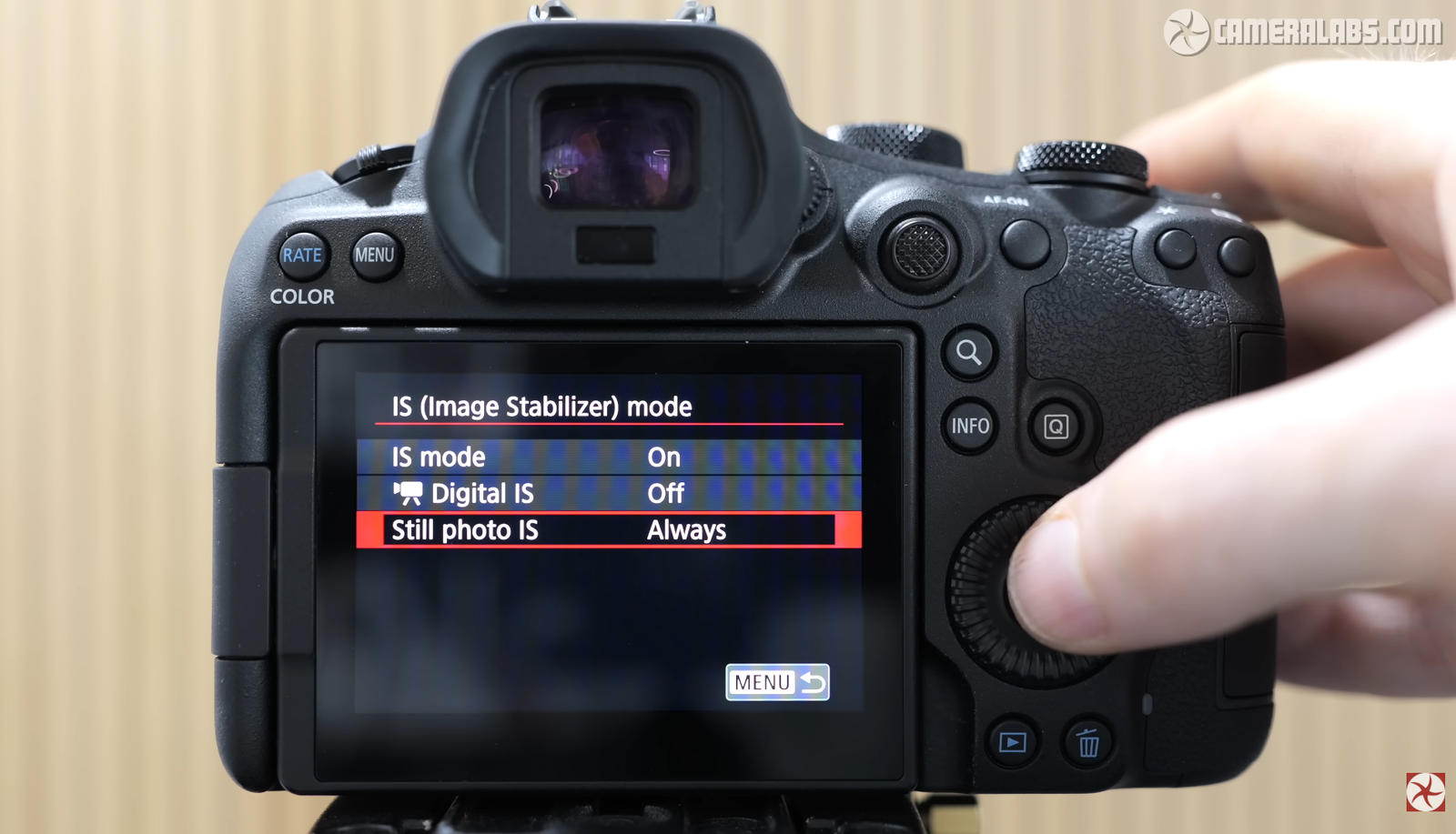
So, the R6 Mark III is no mere refresh; it’s a real upgrade. It features: A higher-resolution sensor (32.5MP vs. 24MP) Improved autofocus and tracking Improved IBIS performance (up to 8.5 stops) 7K RAW and 4K120p video support Faster burst rate and better buffer management In short, Canon has ticked just about every box R6 Mark II users had on their wish list, creating a far more future-proof, professional-grade hybrid system.
Final Thoughts: A Mirrorless Masterpiece
The Canon EOS R6 Mark III is more than just an upgrade — it’s a statement. Canon seems to have pulled off a feat: building a camera for photographers and videographers alike who want the best of the best without needing to stray into ultra-premium pricing. The R6 Mark III offers everything the modern creator could want, from its 32.5MP sensor and 40fps burst shooting to 7K RAW video and industry-leading autofocus. Whether you’re a wedding photographer, content creator, or documentary filmmaker, this camera delivers performance, reliability, and image quality that inspire confidence. For professionals who want to upgrade or enthusiasts ready to make the leap into full-frame mirrorless, the Canon EOS R6 Mark III is definitely one of 2025’s best hybrid cameras.