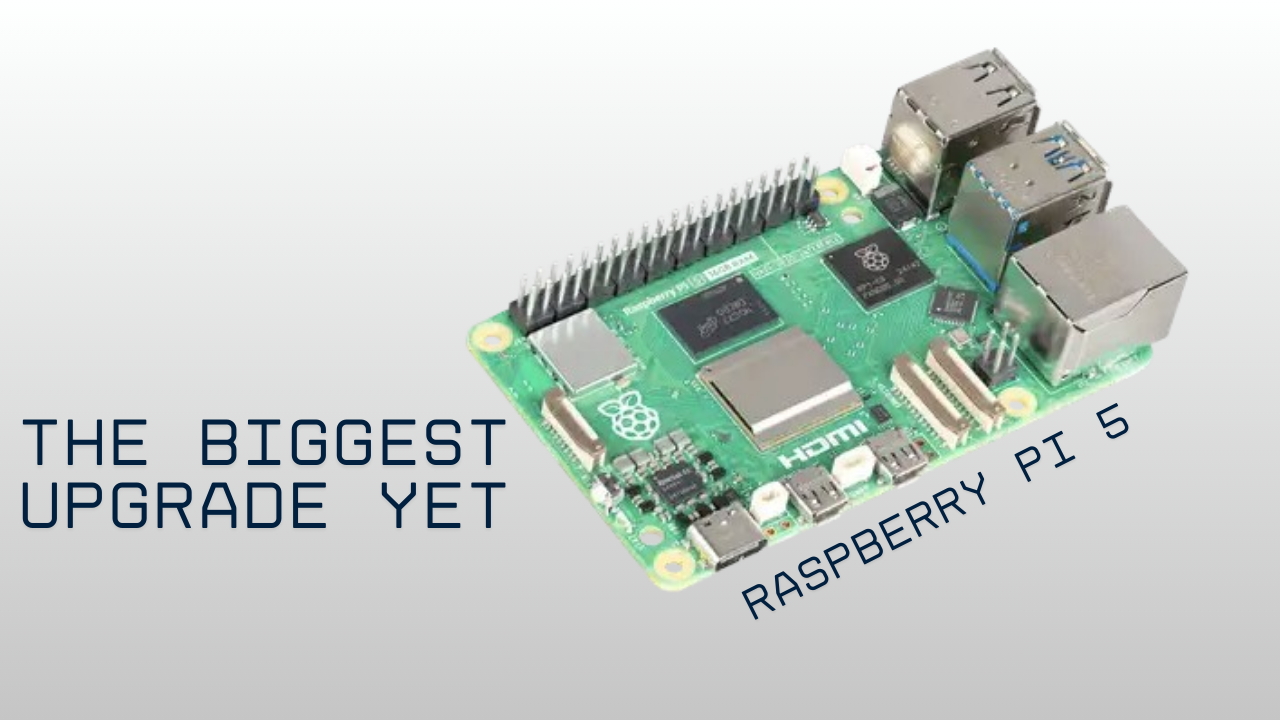
The Raspberry Pi 5 is finally here. Representing one of the biggest leaps forward in the history of the Raspberry Pi lineup, after years of being the go-to single-board computer for hobbyists, developers, educators, and tinkerers, the Pi 5 pushes performance, connectivity, thermals, and versatility to a whole new level. Whether you’re planning to build a desktop replacement, a smart home server, a robotics project, or run AI workloads, the Raspberry Pi 5 is built for it all.
Massive Performance Upgrade With the New BCM2712 Chip
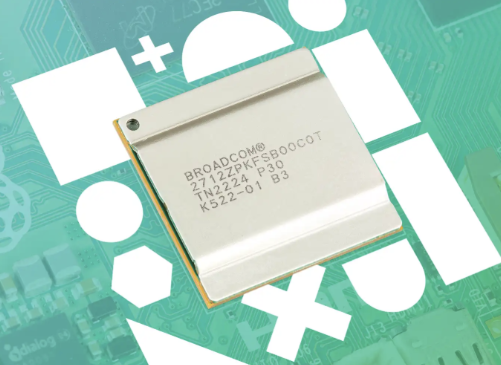
At the heart of the Raspberry Pi 5 lies the new SoC from Broadcom, the BCM2712, which houses a quad-core Arm Cortex-A76 CPU running at 2.4 GHz. Compared to the Pi 4’s Cortex-A72 chip, this delivers a massive boost—roughly 2× to 3× faster CPU and GPU performance in real-world use. The upgraded VideoCore VII GPU now supports Vulkan 1.2 and OpenGL ES 3.1, making graphics-intensive applications and modern software support much smoother.
This bump in performance finally puts the Pi 5 firmly into “entry-level desktop” territory. Light coding, office apps, browsing, and media playback all feel dramatically more responsive.
Available With Several RAM Options: 8GB and 16GB
One of the biggest attractions is a wider range of RAM variants. The Raspberry Pi 5 8GB model keeps its spot as the best balance between price and performance for most makers. It’s ideal for multitasking, containerized workloads, media centers, and server uses.
For power users, developers, and heavy workstation tasks, the Raspberry Pi 5 16GB variant takes things a notch further. With the large memory pool, this model handles more demanding workloads such as running databases, complex simulations, multi-VM environments, and advanced AI/ML experiments.
These expanded RAM options make the Pi 5 far more flexible for different user needs than ever before.
Dual 4K Displays, Faster I/O, and PCIe Support
The Pi 5 brings a number of long-requested upgrades, including:
- Dual 4Kp60 HDMI output: perfect for multi-monitor setups
- 2× USB 3.0 ports + 2× USB 2.0 ports
- Faster microSD performance: SDR104 support
- PCIe 2.0 x1 lane—enables high-speed NVMe SSDs
- Gigabit Ethernet, WiFi ac, and Bluetooth 5.0, real-time clock, power button, and improved GPIO management
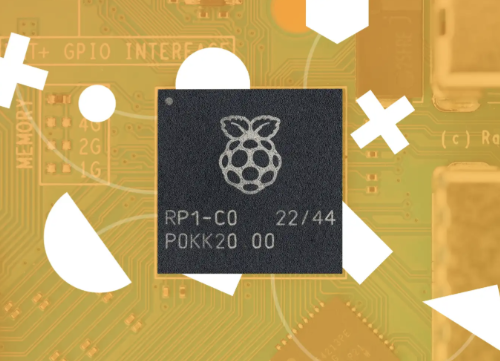
Then comes native PCIe, a game-changer. Finally, makers will be able to run the Pi 5 with desktop-grade storage speeds for the first time with an NVMe adapter.
Cooling Improvements and the Importance of Good Pi 5 Cases
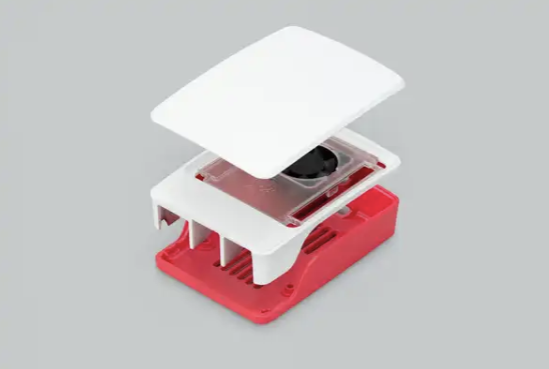
With increased power, the Pi 5 outputs more heat. The board can easily get toasty under sustained workloads, which makes cooling essential. This is where cases for the Raspberry Pi 5 come in. Active cooling options are available in most new cases, while some have built-in fans, metal heat sinks, and even airflow-optimized designs.
If you’re going to use the Pi 5 for coding, emulation gaming, servers, or projects that run for a long time, then it is highly recommended that you invest in a good case with cooling support. It ensures stable performance, longer hardware life, and smoother overall operation.
Ideal Use Cases for Raspberry Pi 5
The Raspberry Pi 5 isn’t just faster—it’s more versatile than ever. Popular uses include:
- Home servers: media servers, NAS, Pi-hole, Home Assistant
- Retro gaming consoles
- Robotics and IoT Automation
- AI on the edge and machine learning experimentation
- Multi-monitor workstations
- Programming and electronics education
With extended production promised until at least 2036, developers and enterprises can confidently build long-term solutions on the Pi 5 platform.
Final Thoughts
The Raspberry Pi 5 is not an incremental update; it’s a next-generation platform with some serious power behind it. Whether you go for the versatile, everyday-use Raspberry Pi 5 8GB or the high-end Raspberry Pi 5 16GB for heavy workloads, this board opens the door to more ambitious DIY projects than ever before. Pair it with one of the new high-performance Raspberry Pi 5 cases, and you’ve got a compact, powerful, reliable mini-computer ready for virtually any task.