Australia has just entered a new era in online safety, becoming the first country in the world to ban social media account access to users under 16 years. The new law, the Online Safety Amendment, also referred to as the Social Media Minimum Age Act 2024, is now rolling out across the country, and it’s already triggered massive changes across Instagram, TikTok, Snapchat, and Facebook.
The update has dominated news cycles, parent groups, and social media feeds alike. But exactly what’s going on in Australia, and why is this decision reconfiguring online behavior at scale?
Let’s break it down.
News: What the New Law Actually Does
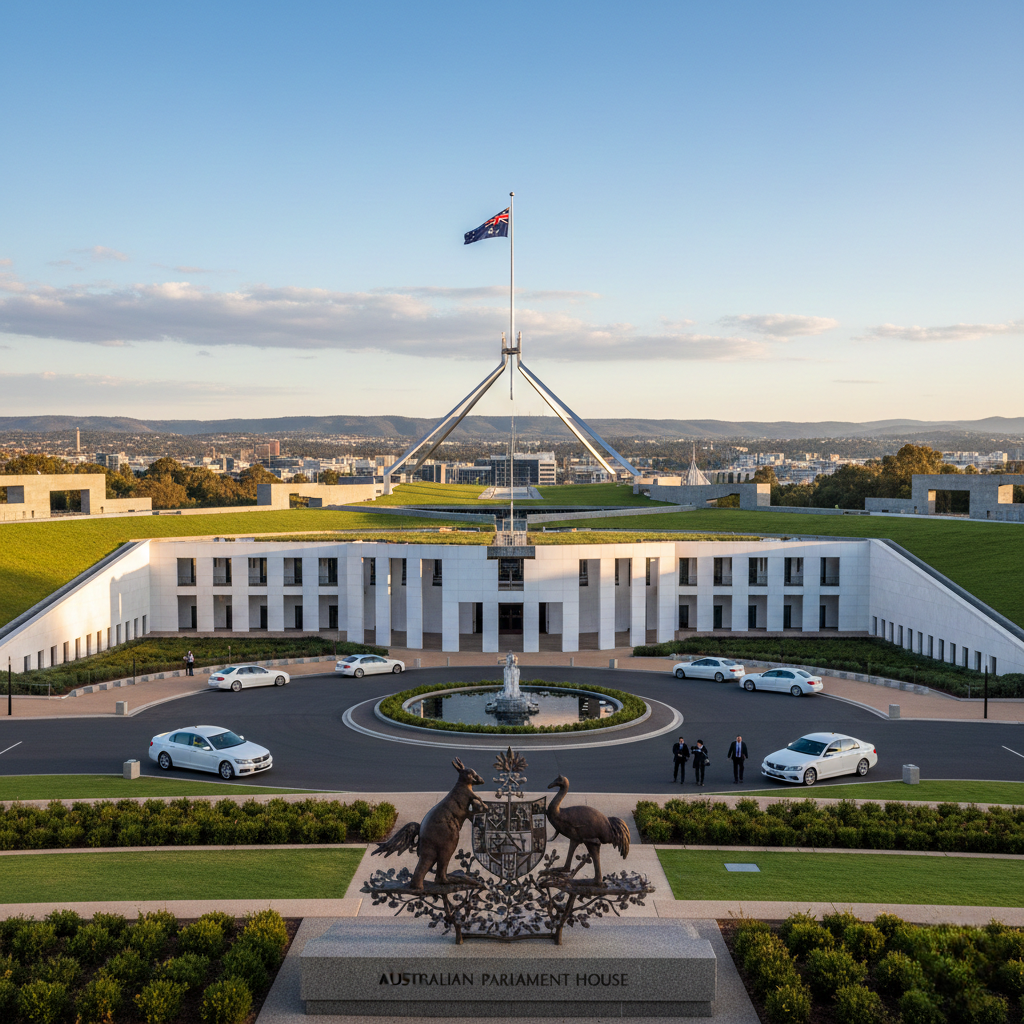
The Australian government has now made it compulsory for any platform defined as age-restricted social media not to allow under-16 users to create or maintain an account. Officially, the law began enforcement in December 2025, providing a strict timeline for changes to systems.
Now, platforms are facing A$49.5 million fines per breach for failing to take reasonable steps to block or remove underage accounts.
Platforms falling under the ban
Major platforms included in the restricted list are
- Instagram, Facebook, TikTok, Snapchat,
- X (Twitter),
- YouTube (main app)
- Titch
- Kick
- Threads
Some apps remain exempt, such as YouTube Kids, WhatsApp, Roblox, and Steam, because they are not primarily classified as social interaction platforms.
Almost immediately after enforcement kicked in, users began reporting seeing locked accounts, warning screens, and verification prompts. Even Meta started doing preemptive blocking and account removals to meet compliance standards.
Story: Why Australia Went This Far
This law didn’t appear overnight. It emerged after years of rising concern around:
- Teen mental health
- Exposure to harmful content
- Online addiction
- Cyberbullying
- Privacy issues
- Lack of platform accountability
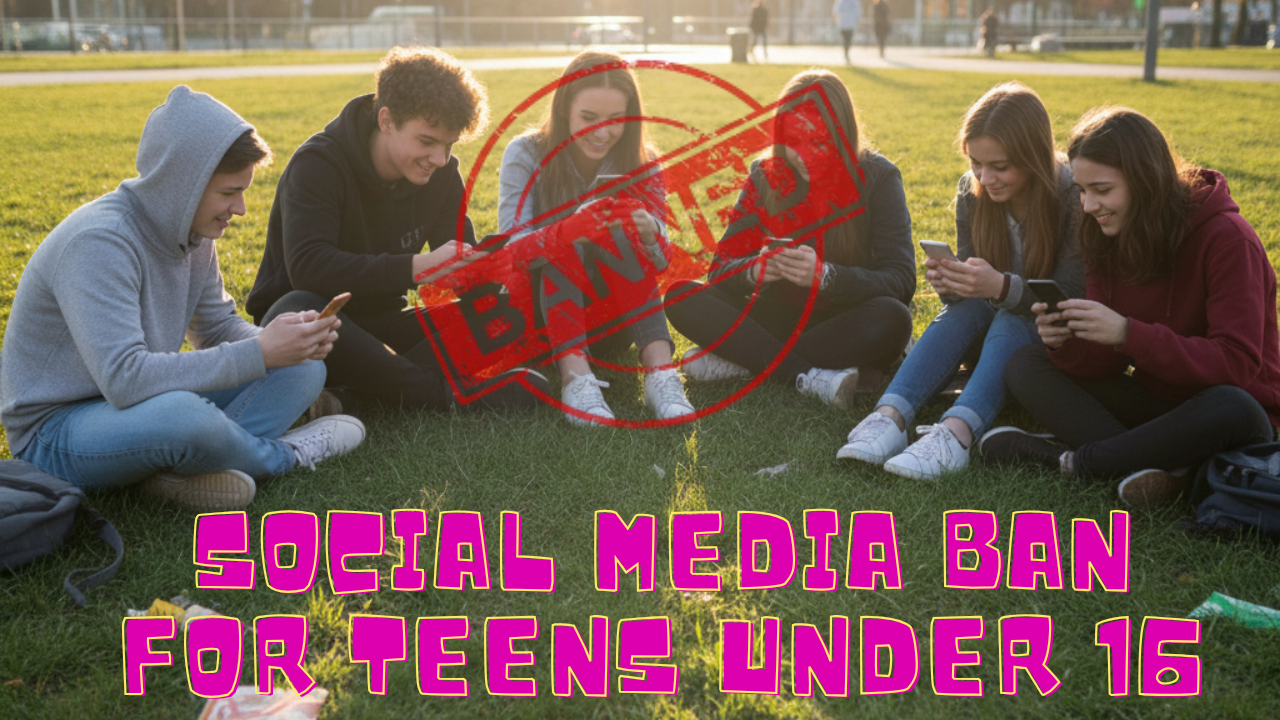
Government officials argued that mild platform reforms weren’t enough, especially when 96% of Australian under-16s were already active on social media.
The ban aims to give childhood back to children, but critics say it could backfire by pushing teens into less regulated online spaces, creating privacy concerns during age verification, and restricting young people’s ability to engage in social, creative, or even political expression online.
A wave of stories has emerged across social media:
- Teens posting “goodbye videos” as accounts get locked
- Parents celebrating the move
- Activists warning about digital exclusion
- Some youth workers predicting a rise in unsupervised online behaviour elsewhere
One viral comment summed up the split perfectly:
“This feels like protecting kids… but also like locking them out of the modern world.”
How the Ban Really Works
Platforms must now implement age-verification tools that can include:
- Government ID uploads
- Video selfies for facial age estimation
- Bank-card or phone-number checks
The company can also deactivate, freeze, or review existing under-16 accounts. There is also an appeal process if the system has incorrectly flagged a user.
Importantly, teens are not punished. The law targets platforms, not kids or their parents.
Also Read: ‘Nepal’s Social Media Ban 2025: Why 26 Major Apps Were Blocked‘
Social Media Impact: What’s Next
With this ban, Australia is the global test case. Regulators from the US, UK, EU, India, and Southeast Asia are watching the rollout closely.
What may shift next?
- Creation of Australia-only onboarding flows on apps
- Mass migration of teens to exempt or lesser-known platforms
- Rise of parent-approved apps and supervised modes
- Major privacy debates about age-verification
- Shift in influencer culture, as under-16 creators lose accounts or are forced onto managed profiles
Content will be having a major revamp for brands and creators targeting a younger audience, particularly for gaming, fashion, education, and tech niches.
For the time being, Australia stands at a digital crossroads: between protection and restriction, safety and autonomy, and innovation and control. And the world is watching.