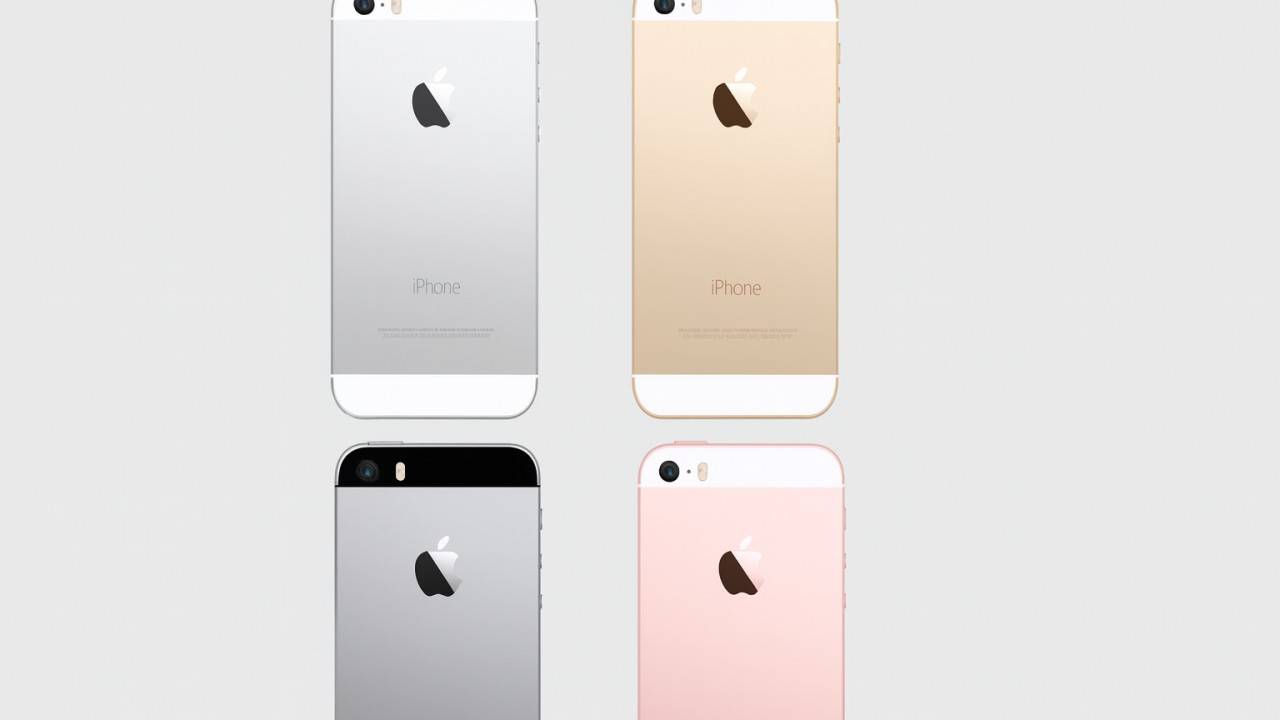
Apple has now added two of the most iconic devices to its official Vintage and iPhone SE obsolete Products List: the 2016 iPhone SE and the 2nd Generation 12.9-inch iPad Pro. This is consistent with Apple’s historical approach of considering products unsupported when those products have reached a certain age since their release and the end of sales.
Both these devices, once popular for their performance and size, have now crossed the seven-year mark since discontinuation and hence are qualified as obsolete according to Apple’s service policy. Here is everything you need to know about this update, how Apple classifies products, and what it means if you’re still using either one of these devices in 2025.
Apple’s classification: vintage versus obsolete
Apple organizes its old devices into two categories:
- Vintage: Devices discontinued over 5 years ago, but less than 7 years ago. Repairs may still be available from Apple, but only if parts remain available; service is not guaranteed.
- Obsolete: Devices discontinued more than 7 years ago. Apple and Apple Authorized Service providers stop all hardware service and repairs completely since official parts are no longer manufactured.
- The iPhone SE (1st gen) and iPad Pro 12.9-inch (2nd gen) now are at the 7-year post-discontinuation threshold, therefore they are classified as obsolete.
Quick Specs Overview
To refresh your memory, here’s a quick look at the core specifications of both devices:
iPhone SE obsolete: Specifications Table
| Feature | iPhone SE (1st Gen – 2016) | iPad Pro 12.9-inch (2nd Gen – 2017) |
|---|---|---|
| Display | 4-inch Retina, 1136×640 | 12.9-inch Retina, 2732×2048 |
| Processor | Apple A9 chip | Apple A10X Fusion chip |
| RAM | 2GB | 4GB |
| Storage | 16GB – 128GB | 64GB–512GB |
| Camera | 12MP rear | 12MP rear + 7MP front |
| Release Year | 2016 | 2017 |
| Final Status | Obsolete (2025) | Obsolete (2025) |
Why Apple Moved These Devices to the Obsolete List
Apple‘s decision is in line with its lifecycle policy: once devices become too old and their parts are no longer manufactured, they’re moved to the obsolete category.
Key reasons include:
- Abandonment of Hardware Component Manufacturing
Manufacturers cease to make specialized components required for repairs. - Shift to newer software and hardware ecosystems
Apple focuses resources on current and future device compatibility and performance improvements. - Hardware limitations due to aging
Outdated chips and batteries have a natural end to their efficiency cycle, even with continued use.
What This Means for Current Users
If you still own an iPhone SE (2016) or the 2nd-generation 12.9-inch iPad Pro, here’s what changes:
- No More Official Repairs
No longer will these devices be serviced at Apple Stores or authorized service centers; not even battery replacements. - Third-Party Repairs Only
Independent repair shops may still offer services, but only by using used or third-party parts, which vary in quality. - Devices Still Work
Your phone or tablet will remain fully functional, but continuing usability is contingent on the following: battery health, hardware condition, app compatibility, security update limitations. - Resale Value Decreases
Market value for obsolete devices falls significantly, making them more of a collector’s item rather than a workable daily driver.
Should You Upgrade Now?
If your device is working fine, you can continue using it. However, you should know: newer applications might stop supporting the older iOS/iPadOS versions. Security vulnerabilities may remain unpatched. Its performance will deteriorate faster. Moving to a modern iPhone or iPad will ensure longer software support, better performance, and improved camera quality.
Final Thoughts
The addition of the iPhone SE (1st Gen) and iPad Pro 12.9-inch (2nd Gen) to Apple’s obsolete list brings one era to a close for the two much-loved devices. While they may not be receiving any more hardware support, both models played an important role in Apple’s history as it pertained to compact phone design and professional tablet computing. If you’re still using one, now is the right time to consider future upgrade plans-before repair options become even more limited.